


Faith. Family. Based In Salem, Or
Reliable Indoor Air Quality Services Salem, OR
Certified & Experienced HVAC Technicians In Salem, OR and Surrounding Areas
Same-Day, Emergency Service
No High Pressure Sales Tactics
Free 1-Year Maintenance Included With Install
$10,000 In Financing With 0% APR Available Up to 18 Low Monthly Payments

HVAC Ministries
The Role of HVAC Systems in Maintaining Indoor Air Quality
What Is Indoor Air Quality (IAQ)?
Indoor air quality refers to how clean, safe, and balanced your indoor air is. Factors like dust, humidity, ventilation, and pollutants all impact your home’s comfort and your family’s health.
Poor air quality can cause fatigue, headaches, coughing, and even trigger asthma or allergies. That’s why we offer professional indoor air quality testing and solutions designed specifically for Oregon’s unique climate.
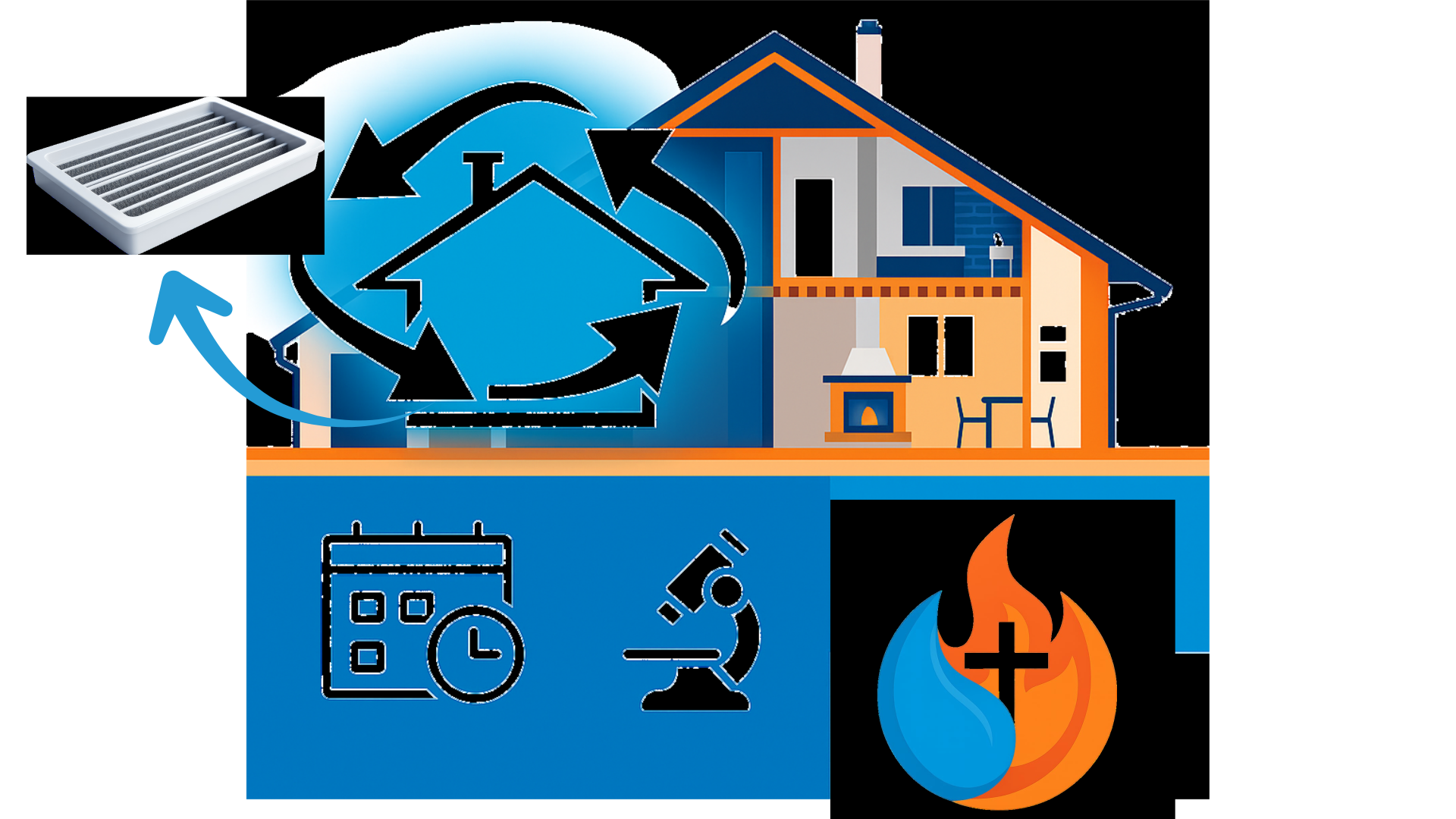
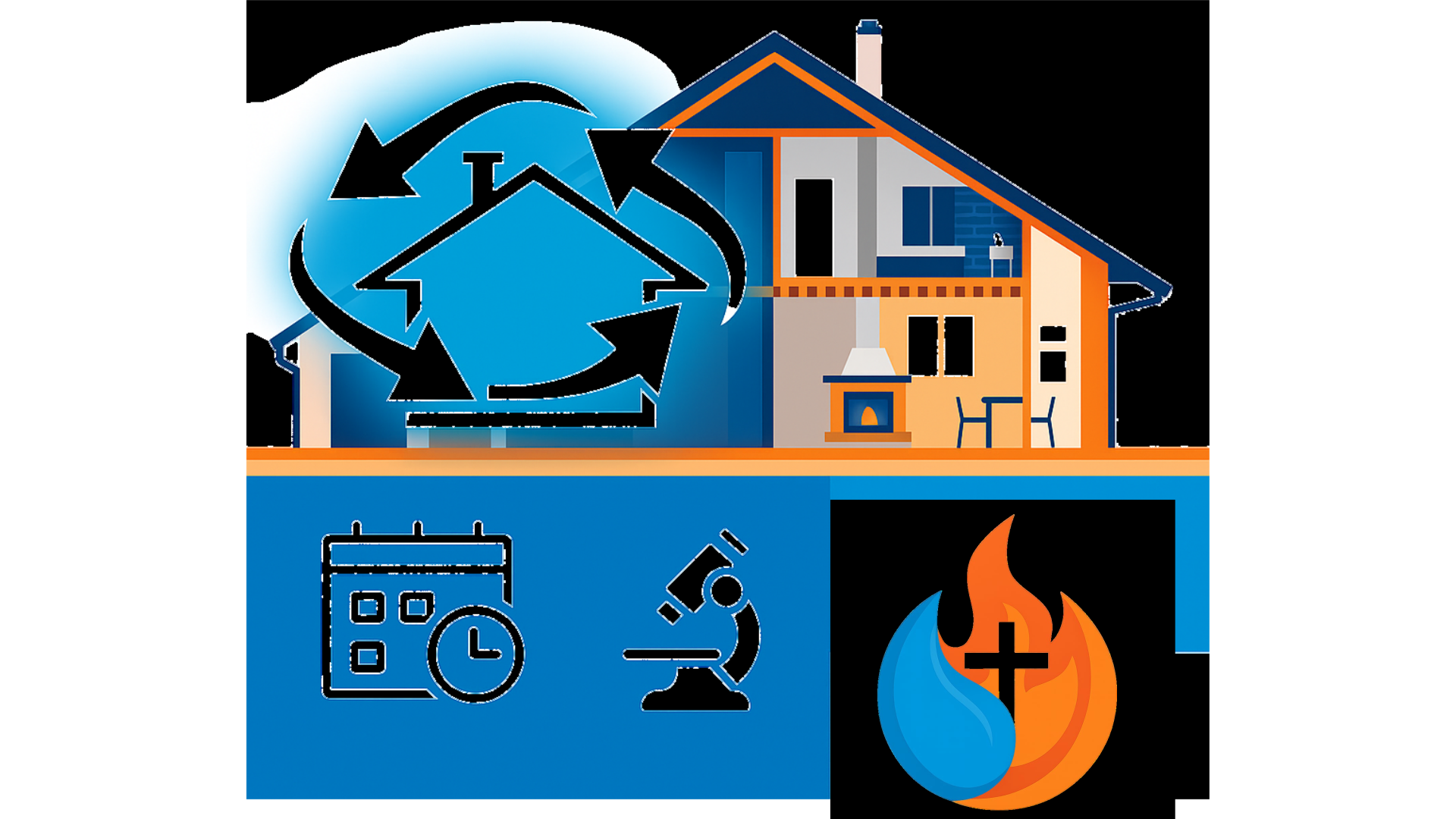
Common symptoms of poor indoor air quality include:
Dry eyes, sore throat, or frequent sneezing
Musty or “stale” indoor air smell
Excessive dust even after cleaning
Uneven humidity or persistent condensation
Increased allergy or asthma flare-ups
ADDITIONAL HVAC SERVICES
Why Indoor Air Quality Matters for Homeowners?
Every time your furnace or air conditioner runs, it circulates air through your home. If your HVAC system isn’t properly maintained, it could be spreading dust, pet dander, and even mold spores.
Over time, these particles can build up, reducing system performance and putting your health at risk.

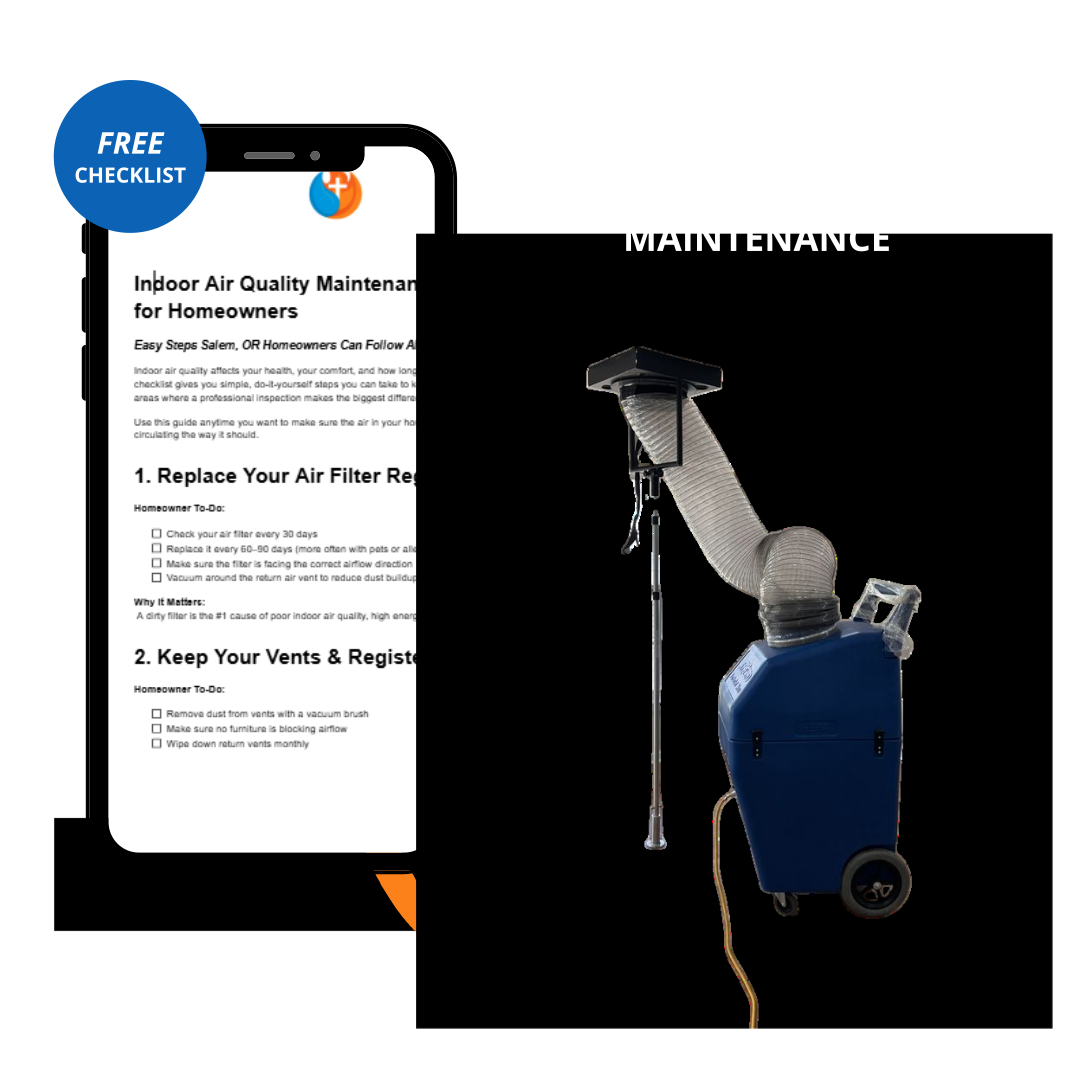
Download FREE Indoor Air Quality Maintenance Checklist
Clean Air Starts With Regular Maintenance
Join Ministries Protection Club
Ensure your system is operating at peak
Indoor Air Quality Testing, Salem Keizer Surroudning AReas in Oregon
Frequently Asked Indoor Air Quality Questions by Homeowners
At HVAC Ministries, we’ve helped homeowners throughout Salem, Keizer and the Willamette Valley create healthier indoor environments through professional air quality testing and HVAC maintenance. Many families contact us wondering whether the air in their home is safe to breathe, and we’re here to provide clear answers, backed by real testing results.
Call us directly at (503) 385-1432
At HVAC Ministries, we’ve helped countless families in Salem, Keizer, and across the Willamette Valley choose the right heating and cooling system for their home.
Question 1: What is indoor air quality testing and how does it work?
Indoor air quality testing measures pollutants like dust, mold spores, VOCs (volatile organic compounds), humidity, and carbon dioxide in your home’s air. Our technicians use specialized meters and sensors to detect these contaminants and recommend solutions to improve your air.
Question 2: How do I know if my home has poor indoor air quality?
You might notice symptoms like frequent sneezing, dry throat, headaches, or a musty smell. Visible dust buildup, uneven humidity, and worsened allergies are also common signs. An IAQ test identifies what’s actually in your air so you can take the right steps to fix it.
Question 3: Is indoor air quality testing worth it for my home?
Yes — especially if your home is older, recently renovated, or you’ve noticed persistent odors or allergies. Testing reveals hidden contaminants and gives you a clear action plan before they affect your family’s health or your HVAC system’s efficiency.
Question 4: What can cause bad indoor air quality in Oregon homes?
Common causes include dirty HVAC filters, duct leaks, high humidity leading to mold, and everyday chemicals from cleaning supplies or new furniture (VOCs). Salem’s damp climate makes routine maintenance and humidity control essential.
Question 5: How often should I get my indoor air quality tested?
Most homeowners should test at least once a year, ideally before heating or cooling season. If you notice new odors, health symptoms, or recent renovations, schedule a test sooner.
Question 6: What pollutants or allergens can be found during testing?
Indoor air tests can detect:
- Dust, pollen, and pet dander
- Mold spores and mildew
- Carbon monoxide and VOCs
- Bacteria and airborne particles from cooking or smoking
We use advanced instruments to pinpoint these sources accurately.
Question 7: How can I improve my indoor air quality after testing?
Depending on the results, you can improve IAQ by:
- Replacing filters regularly
- Installing HEPA or UV purification systems
- Sealing duct leaks
- Using humidity controllers or dehumidifiers
Scheduling annual HVAC tune-ups
Question 8: Does my HVAC system affect indoor air quality?
Absolutely. Your HVAC system is the main air circulator in your home. If filters, coils, or ducts are dirty, it spreads contaminants every time it runs. Regular maintenance and air testing help ensure your system is circulating clean air.
Question 9: What’s the difference between indoor air quality testing and duct cleaning?
Testing identifies what’s in your air — pollutants, mold, or chemicals — while duct cleaning removes buildup inside your ductwork. Both are complementary services for improving overall air quality.
Question 10: Can poor air quality affect energy bills or HVAC performance?
Yes. Dirty air and clogged filters make your HVAC system work harder, using more energy and wearing out faster. Clean air means better performance, lower bills, and longer system lifespan.
5+ Star Local Reiveiws
Rated by 112+ Homeowners & Businesses in Salem & Keizer, OR and Surrounding Areas
Rated by 112+ Homeowners & Businesses in Salem & Keizer, OR and Surrounding Areas
Time and time again. Eliseo and his team are some of the best folks to work with. I had some issues with the heater some how shutting off and having issues with the thermostat. But they got it all fixed and put in a new thermostat and it resolved all those problems! They made sure I was aware of the issues and took care of me like one of their own! 100% definitely recommend anyone trying to get anything done with honest and reliable service.


Great service and Communication. Was able to get an appointment next day for maintenance on our furnace.

Very Knowledgeable tech came by and explained more about my HVAC system than thee others that have come by recently. Liked the detail.

Eliseo Cortes (HVAC Ministries) was incredible. He walked me through the entire install, explaining each aspect of the install. His guarantee for a job done right is as good as his name. His cost to me was very reasonable and the workmanship was impeccable. I will have him service my HVAC needs in the future. He is a people person and I found working with him a real pleasure.

Superior work, above and beyond service, respectful of my home. Great deals, friendly.

I would totally recommend Hvac Ministries because they are professional, knowledgeable, and reliable. Elisio and his team did a marvelous job, they arrived early, took a look at the old system and gave honest advice, were able to replace the entire system within a short time, their work is efficient and now our system is working great.

This platform has revolutionized our business operations. The seamless integration and powerful features have helped us scale our marketing efforts efficiently while maintaining excellent customer relationships.

John did a thorough check on my furnace system. I really appreciated his superb knowledge and expertise of my older unit. He took the time to educate me on what to look for as indicators to a potential problem with the unit. It helps me stay on top of one of the big components of the home.

This platform has revolutionized our business operations. The seamless integration and powerful features have helped us scale our marketing efforts efficiently while maintaining excellent customer relationships.

Eliseo and his partner came on Friday and did a thorough examination of our furnace and we decided that a new furnace would be preferable to repairing the problems in the old furnace. They were willing to come back the next day (Saturday) to do the work which they did and all is working great now. They were very professional and cleaned up everything before leaving.

Great prices and even better turnaround times these guys are amazing

Very professional and they always communicate.

Highly recommend Hvac Ministries!! They came to my rescue and fixed my mini split in my business! God bless your business 🙏

Our whole Ac system broke and they were able come the very next day and get it all replaced with such short notice!! did an amazing job and my house has never felt better!! 10/10

Amazing service and very fast! Best AC I’ve ever had.

We offer expert HVAC services to keep your home or business comfortable year-round. Our team ensures reliable repairs, installations, and maintenance.
Our Service Areas
Salem
Keizer
Wilsonville
Tigard
Beaverton
Portland
Woodburn
Silverton
Quick Links
Hours of Operation
Mon - Sat : 8AM -4:30 PM
WE OFFER A 10-YR WARRANTY
Give us a call to learn more and to schedule your service.